Skincare during winter – The expert's best skincare tips for dry skin

Does your skin become dry, tight or suddenly sensitive every winter - despite moisturizing skincare and a well-thought-out skincare routine? You're far from alone. Dry skin in the winter is rarely just about moisture, but about how cold and dry air affect the skin's biology. In this article on winter skincare, the skin expert shares her best tips for preventing and treating dry skin, with the right skincare routines, ingredients and product choices that strengthen the skin during the colder months of the year.
Dry skin in winter – why does it happen?
Dry skin in winter is one of the most common skin problems in the Nordic countries. When the temperature drops, the humidity decreases both outdoors and indoors, which affects the skin more than many people realize. Many people experience tightness, flaking, itching, redness or that the skin suddenly becomes sensitive, even though the skin has been balanced the rest of the year.
The explanation lies not only in the skin “drying out”, but in how winter affects the skin’s biology .

What happens to the skin during winter?
1. The skin barrier is weakened
In winter, the amount of lipids (fats) in the outermost layer of the skin, the stratum corneum, decreases. The barrier becomes thinner, microcracks form and allows more moisture through than normal – a condition called increased transepidermal water loss (TEWL).
The result is dry, tight skin that often doesn't improve with regular cream.
2. The skin's immune system becomes more reactive
Cold and dry air can easily throw the skin's immune system out of balance. Low-grade inflammation can occur, which manifests as redness, burning or sudden hypersensitivity, even in skin that was previously stable.
3. The skin microbiome loses balance
The surface of the skin is home to billions of bacteria that protect us every day. In winter, the skin's microclimate (temperature, moisture, pH and lipids) changes, which reduces the diversity of the microbiome . Protective bacteria that otherwise strengthen the barrier and suppress inflammation become fewer.
This combination can be described as a form of winter dysbiosis – when the skin's biological protection weakens while the barrier becomes vulnerable.

This is why classic moisturizing isn't always enough in winter
Many people try to solve dry skin by applying more and thicker cream. This may help temporarily, but if the skin continues to leak moisture or is biologically stressed, the effect may not be there.
A classic moisturizer
- Binds or encapsulates moisture
- Mechanically protects against drying out
But it:
- Does not restore microbiome balance
- Does not help the skin to produce its own moisture-binding substances
For many, this is why the dryness "comes back" as soon as the cream is not applied or that you feel that you are not getting less dry despite applying and applying.

Best Winter Skincare Routine for Dry Skin - Step by Step
1. Clean gently
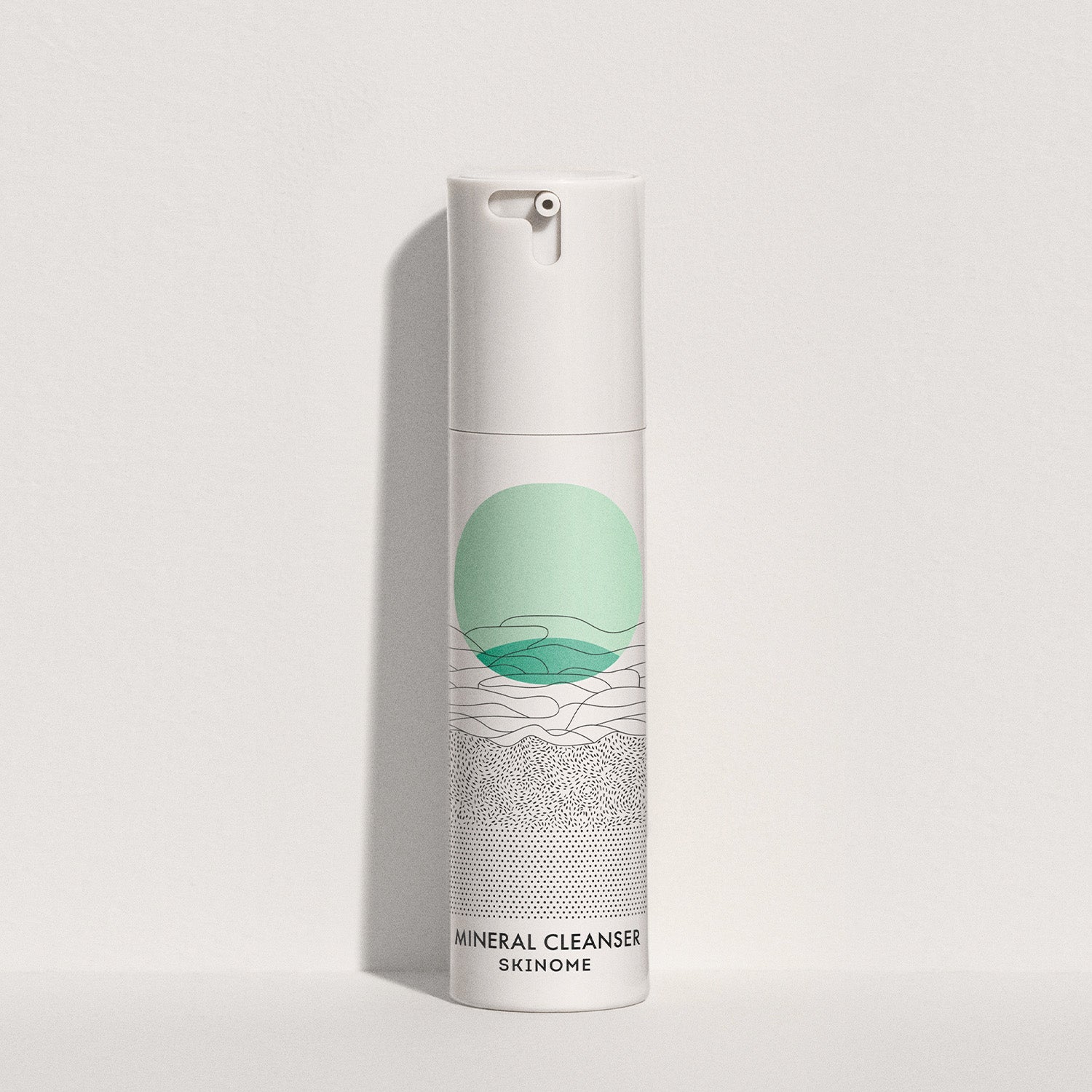
Wash your face only when you really need to, like when you need to remove makeup for example. When you wash your face, use a gentle cleanser without drying soap ingredients or a mild and emollient oil. In the morning, you should preferably avoid washing your face at all, as during the night the skin has secreted substances that are important for maintaining a strong skin barrier and a balanced microbiome.
2. Strengthen the skin biologically
In winter, skin needs more than just surface moisture. Ingredients and formulations such as:
- Supports the skin barrier
- Calms immune reactions
- Preserving or compensating for the function of the microbiome is central to long-term improvement.
3. Lock in moisture
Finish with an emollient cream that protects against continued water loss, especially in cold and dry climates.

Common mistakes that make skin drier during winter
- Too frequent exfoliation
- Too hot showers
- Skincare products that contain alcohol
- Changing too many products at once
- Focusing only on "more moisture" instead of skin function
Dry skin in winter - hands, lips and sensitive areas
Hands and lips lack parts of the skin's natural protective system and are therefore often the first to suffer. Our best tips for winter dry hands and lips are to protect against the cold and to use barrier-strengthening creams. Always carry a softening hand cream and lip balm in your handbag and reapply often.

EXPERT'S PERSPECTIVE
Why winter requires a new way of thinking about skin care
Skinome's founder, Johanna Gillbro , has long emphasized in her research that skin health is determined by the interaction between the barrier, immune system and microbiome, not individual ingredients.
In winter, all three systems are simultaneously exposed to stress, making the skin extra vulnerable. Therefore, winter skin care needs to take into account how the skin functions biologically , not just how it feels on the surface.
When skin needs more than moisture - Skinome's view on winter skin care
Skinome's skincare is developed with a focus on the biology of the skin. Rather than just moisturizing, the products aim to increase the skin's resilience, strengthen the skin barrier and support the microbiome. Especially during the winter, this can be crucial for skin that feels dry, tight or reactive despite traditional skincare.

Summary - how to protect your skin this winter
- Adapt your routine to your skin's needs
- Keep in mind that your skin may need more than "just" moisture and oil.
- Strengthen barrier and microbiome
- Avoid overtreating the skin, for example by exfoliating or introducing more or new products.
Proper winter skin care is not about more products, but about the right support when the skin is most vulnerable.


Probiotic Concentrate
€79,00 EUR
Balances the microbiome and strengthens the skin barrier.
€63,20 EUR