


A Beginner's Guide to Rosacea

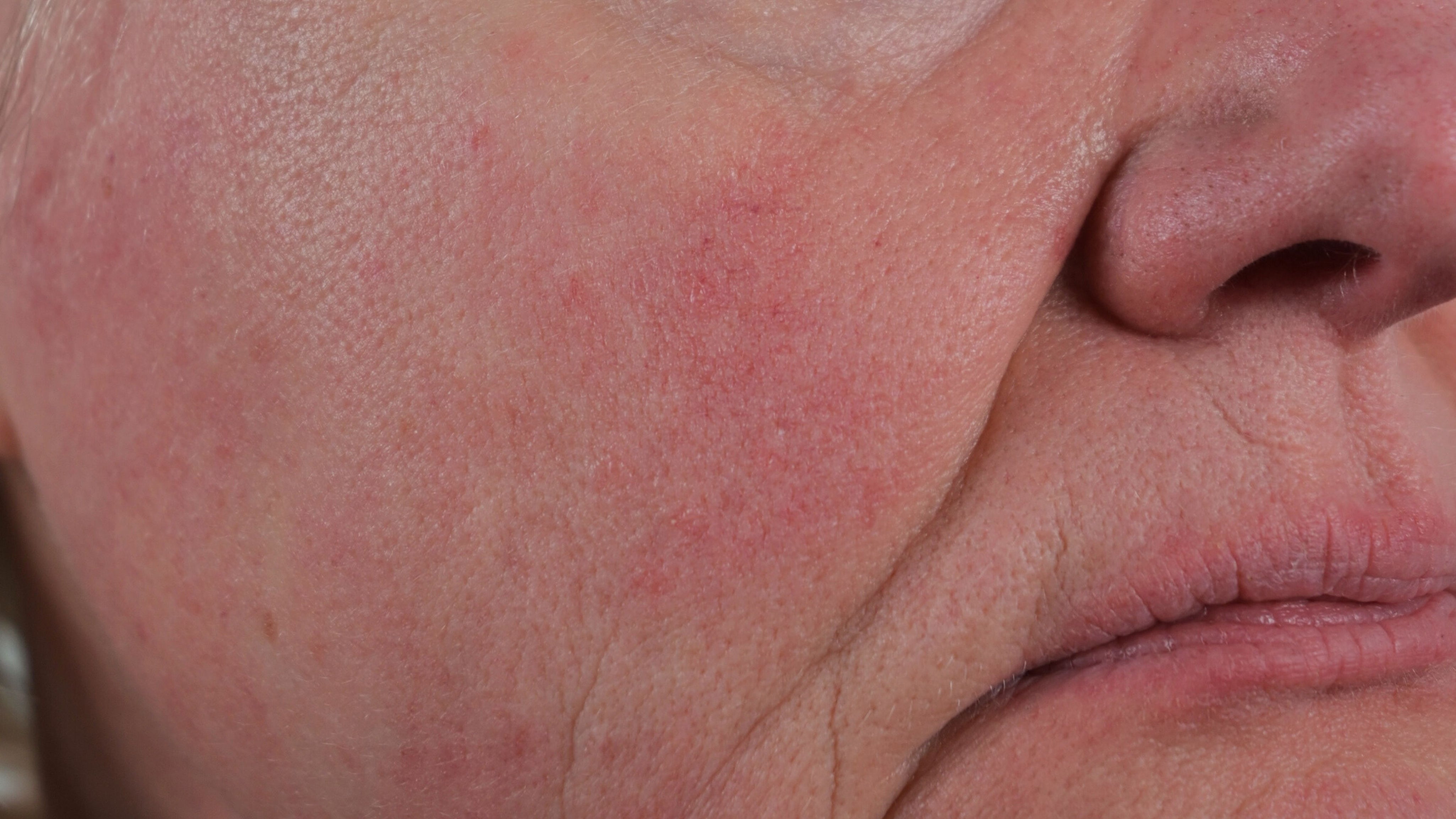
Many of you have probably heard of rosacea. Rosacea is a common, chronic and inflammatory skin disease that affects over 5% of the world's population. It's usually associated with redness and sensitivity, but rosacea is more complex than that. Did you know there are four types? We have listed them below.
Four types of rosacea
1. Erythematotelangiectatic rosacea (rosacea with redness)
This is the most common form of rosacea. The symptoms are periods of redness in parts, usually the middle, of the face. Over time, this chronic redness can cause the blood vessels under the skin's surface to enlarge, leading to permanent redness (erythema).
2. Papulopustular rosacea (rosacea with pimples)
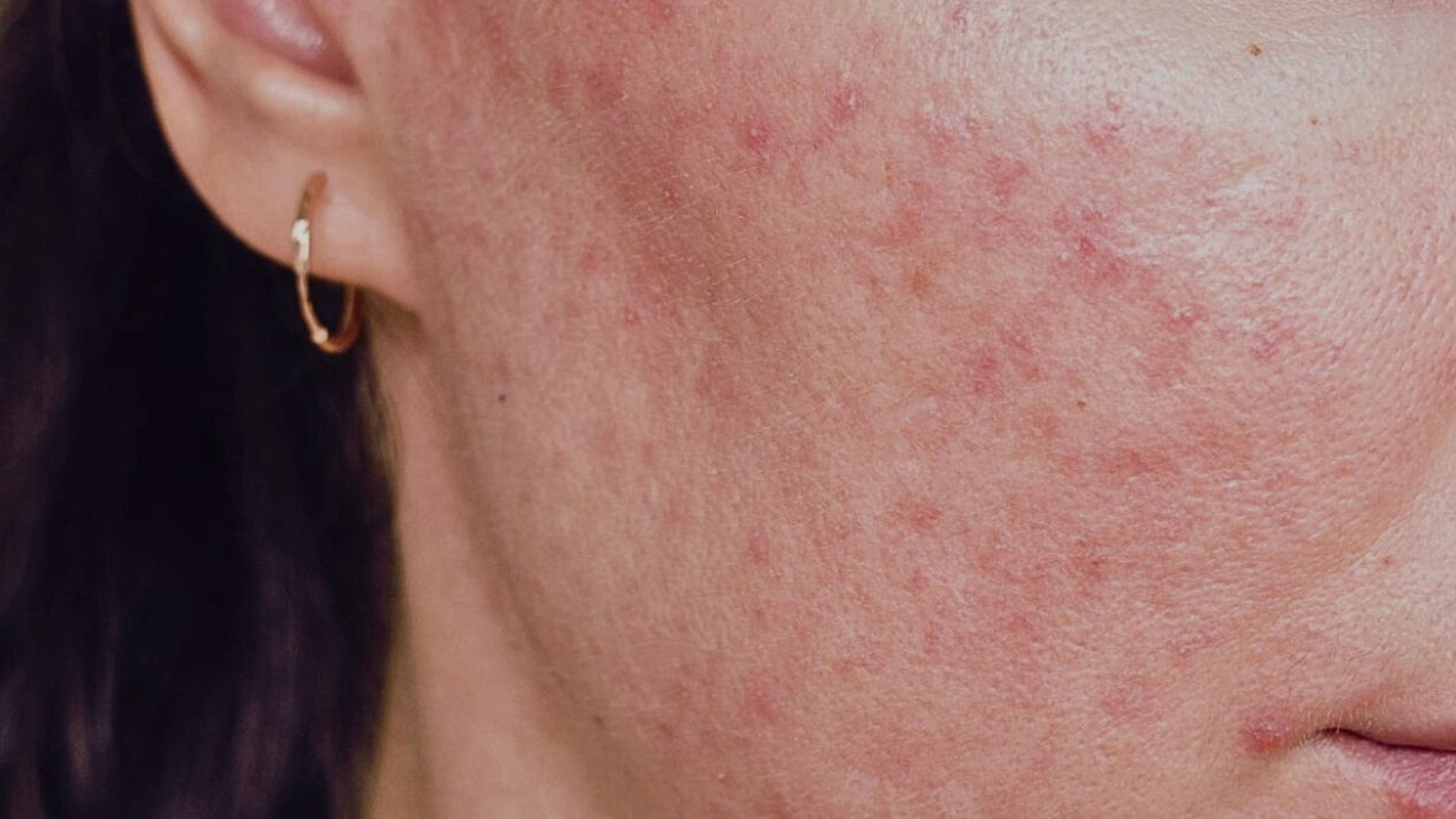
This type involves a permanent redness of the skin with sporadic pimples.
3. Phymatous rosacea (rosacea with enlarged nose)
This type is characterized by enlarged pores and redness that leads to a swollen, enlarged nose.
4. Ocular rosacea (eye rosacea)
Ocular rosacea results in inflammation of the outer parts of the eye, with symptoms such as a dry feeling, redness around the eyelashes, increased tear production, and watery eyes.
If you think you have rosacea, you should always see a dermatologist or doctor to get a proper diagnosis.
Who does it affect?
Rosacea affects both men and women and most commonly occurs after the age of 30. From a global perspective, it can be seen that it is significantly more common to suffer from rosacea if you come from the northern parts of Europe.
Rosacea not only affects people physically but also mentally. New research shows that its psychosocial impact can be very serious, leading to social anxiety and depression. Interestingly, men tend to experience worse psychological effects than women.
Why do you get rosacea?
The exact cause of rosacea is still unknown. Genetics seem to play a role, meaning that if your mother has rosacea, you are more likely to get it too. Rosacea has also been linked to immune system disorders and increased nerve sensitivity.
There is evidence that rosacea patients have higher levels of Demodex mites (a type of parasite) living in the skin. We all have a number of mites on our skin and mites, as many know, thrive in both bedding and skin. Demodex mites can also live in our hair follicles and sebaceous glands. One theory is that their feces trigger an inflammatory response in our skin.
There is also a medical connection between rosacea and autoimmune diseases such as diabetes, celiac disease (gluten intolerance) and rheumatism.
Skin care habits can also be a cause of rosacea. A large study showed that cleansing habits can influence the onset and development of rosacea. Over-cleansing appeared to be a major risk factor and we have written a summarized article about this very interesting study here .
Psychological stress also appears to be a major contributor to rosacea. In fact, dermatologists in Sweden reported an increase in rosacea cases during the spring of 2020, during the COVID-19 pandemic. It is believed that the reason behind this increased incidence of rosacea is due to higher levels of psychological stress.
How do you treat rosacea?
There is no cure for rosacea, but there are several treatments available. Today, the condition is often treated with antibiotics and topical medications that have anti-inflammatory properties. Many people with more severe rosacea need to be prescribed treatment by a doctor. The main treatments are:
Redness-reducing treatments, such as brimonidine and oxymetazoline. These treatments reduce blood flow to the skin, so the skin doesn't redden as much. Brimonidine is also used in eye drops to treat ocular rosacea.
Azelaic acid is an effective treatment for rosacea, specifically by reducing the overproduction of the peptide cathelicidin, which in excess causes inflammation, redness, and irritation in the skin. By inhibiting this inflammatory process, azelaic acid relieves rosacea symptoms, making it a key ingredient in prescription creams like Finacea, which contains 15% azelaic acid.
Antibiotics , such as metronidazole and tetracyclines. It is not known exactly why antibiotics affect rosacea, but one possible explanation is that antibiotics kill bacterial growth on the skin that could potentially be caused by mite feces.
Ivermectin , an insecticide that kills Demodex mites, is one of the newer treatments for rosacea.
Rosacea
Factors that can negatively affect rosacea
What triggers a rosacea outbreak is individual, but for those of you who have rosacea, it can be good to know what can make the symptoms worse.
Sun, heat, cold and wind.
Alcohol, hot drinks and highly spicy foods.
Such as pregnancy, PMS, menstruation and menopause.
Causes the blood vessels in the skin to dilate, which can increase redness and sensitivity in the skin.
Which contain substances that can irritate the skin, such as perfume, dyes or preservatives, as well as certain sunscreens and cosmetics.
Tips and advice
If you have rosacea, you should avoid excessive sun exposure as it often worsens the condition. You should also be careful when washing your face and choose a mild cleanser for sensitive skin. Choose a face cream that is not too oily and that is soothing, strengthening and supports the skin's microbiome. All of the face creams that we have developed are suitable for rosacea-prone skin, but it is important that you seek advice from a doctor if you have more serious problems.
References
Gillbro, J. (2019) The Skin Bible . Stockholm, Bookmark publishing house.
Steinhoff, M., Schauber, J. & Leyden, JJ (2013) New insights into rosacea Dermatology. [Online] 69 (6), S15–S26. Available from: doi:10.1016/j.jaad.2013.04.045.
Li, G., Wang, B., Zhao, Z., Shi, W., et al. (2020) Excessive cleansing: an underestimating risk factor of rosacea in Chinese population. Archives of Dermatological Research. [Online] Available from: doi:10.1007/s00403-020-02095-w.
Van Zuuren, EJ, Fedorowicz, Z., Carter, B., Van Der Linden, MM, et al. (2015) Interventions for rosacea. Cochrane Database of Systematic Reviews. [Online] Available from: doi:10.1002/14651858.cd003262.pub5.
Gillbro, JM, Lundahl, M., Westman, M., Baral, R., et al. (2015) Structural activity relationship analysis (SAR) and in vitro testing reveal the anti-aging potential activity of acetyl aspartic acid. International Journal of Cosmetic Science. [Online] 3715–20. Available from: doi:10.1111/ics.12253.



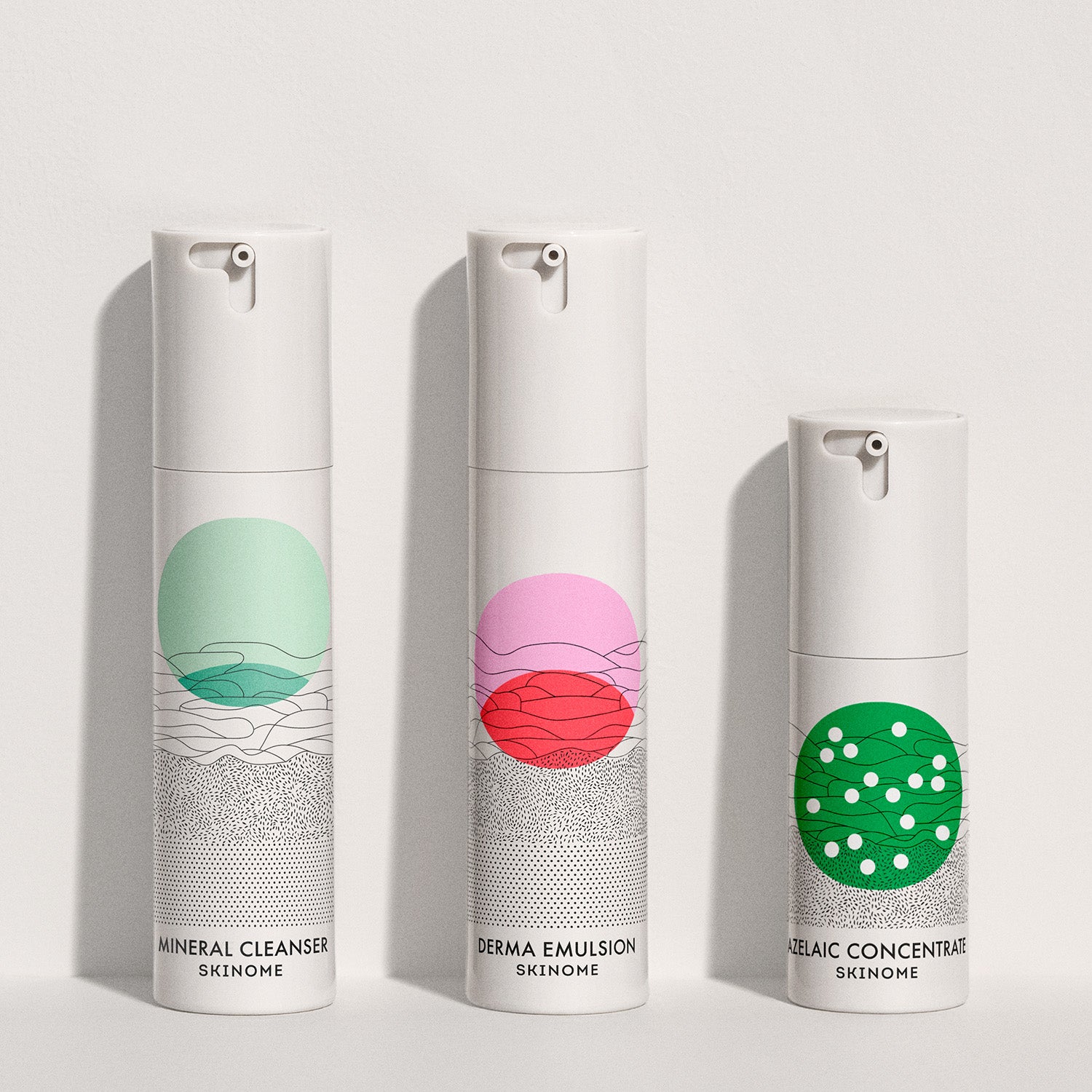

RosDerm Calm Trio
1,727 SEK
Routine that soothes red and irritated skin and strengthens the skin barrier.
1,468 SEK