


5 myths about men's skin and skin care

When it comes to skincare, it's easy to get lost in the information jungle and it can be hard to know what's true and what's just a myth, men's skincare is no exception. Skinome's two skin experts, Dr Johanna Gillbro and Ulf Åkerström, will therefore go through 5 of the most common myths and misconceptions when it comes to men's skincare. Hopefully this will help you understand how you can achieve better skin health.
Myth 1
"Men don't need a special cleaning product"
"regular soap is good enough"
"regular soap is good enough"
Explanation: The short answer is that this is a myth. Soap can contain ingredients that are harsh on the skin and are not suitable for some people's skin. Just like women, men should use a cleanser that is gentle and gentle on the skin on their face. There are definitely differences between men's and women's skin.
For example, men's skin often produces slightly more sebum and is usually thicker and less sensitive compared to women's skin. The preference when it comes to the effectiveness of a good cleansing product may therefore be different for men and women, but washing the face with soap should be avoided by everyone.
What does an effective and skin-friendly cleansing routine for men look like? Our skin expert Ulf recommends that men apply the same skin care principles as women, and therefore use a mild emulsion-based or oil-based cleansing product that effectively cleanses the skin while moisturizing and preventing irritation.
Ulf also recommends only cleansing your face with a cleanser in the evening. In the morning, washing your face with water is enough because the skin produces many important substances during the night that we should not wash away – they contribute to better skin health.

Myth 2
"Is it just a marketing strategy that men need skin care products specifically developed for men?"
Explanation: Yes, this is true and the reasons why many skincare brands market and sell products specifically developed for men are heavily marketing-related. Johanna explains that skincare products for men are often gel-like formulations with specific scents that are intended to evoke the feeling of "masculinity."
According to Johanna, there are no specific ingredients that men's skin needs more of, compared to women's skin. Ulf adds that men usually have a simpler skincare routine, but this has nothing to do with men having different skincare needs. Both men and women should focus primarily on their individual skin health and choose skincare products with relevant functions for their specific needs.
And remember that a "masculine" fragrance or product design is primarily about marketing, not that the product has a positive impact specifically on men's skin health.

Myth 3
"Men don't need to use so-called anti-wrinkle products"
Explanation: The short answer is that this claim is a myth, but of course it also depends on what we as individuals consider important when it comes to our skin and skin health. Men, just like women, develop fine lines and wrinkles as part of aging, but just like women, lines and wrinkles can become deeper if the skin is dry.
Using skincare to keep the skin hydrated can therefore help reduce signs of aging, and ingredients with scientifically proven anti-wrinkle effects, such as retinol, work just as well on men's skin as they do on women's.
Johanna explains that men's skin ages differently because they often have oilier and slightly thicker skin. This is why men's skin doesn't tend to get as dry, and fine lines and wrinkles don't develop as quickly as women's. Men usually get more wrinkles gradually after the age of 30. Ulf explains that men generally use less sun protection compared to women, but they should do so to avoid skin aging (and of course to protect against skin cancer).
In conclusion, it is up to each of us to decide whether we want to prevent signs of aging when it comes to our skin, but if there is one product that should be used more by men, it is sunscreen!

Myth 4
"Because men have oilier skin, they don't need to use face cream"
Explanation: This claim is a myth. Using face cream is recommended for men even if they have oilier skin. According to Skinome's skin expert Ulf, men generally don't need as thick and occlusive creams because they usually have oilier skin.
However, using a lighter face cream is recommended as it provides humectants and protective ingredients that support moisture balance and protect the skin, especially after shaving. In addition, frequent facial cleansing or use of makeup can further reinforce the need to use a face cream.
Ulf explains that shaving always carries a risk of damaging the skin, which requires that the face cream contains soothing substances that can help prevent the skin from becoming red and irritated afterwards.

Myth 5
"You only need to use sunscreen when it's sunny outside"
Explanation: This claim is a myth. During the summer season, there is not much difference in UV intensity when the weather is cloudy or sunny. For example, on the hottest summer days, the UV index, which is a measure of how strong the sunlight is, often reaches 7 in direct sunlight, while in cloudy weather it is 6. This shows the small difference between sunny and cloudy weather when it comes to how strong the sun is.
Ulf recommends that a general rule of thumb is to apply sunscreen from April to the end of September, as well as when skiing or being outdoors during the winter when the sun is shining and the snow reflects UV light. At the beginning of summer, our skin is more vulnerable and sensitive to the sun, which is why we need to protect it. However, at the end of summer, the sun is still strong, so sunscreen must still be applied to prevent any damage to the skin.
Using sunscreen is just as important when you are exposed to the sun's rays through a window, for example when working from home next to a window or when going on a road trip during the summer. Although the glass window protects against UVB rays, it does not protect against UVA rays. UVA rays reach deeper layers of the skin and can therefore affect fibroblasts and other cells that play a crucial role in skin physiology.
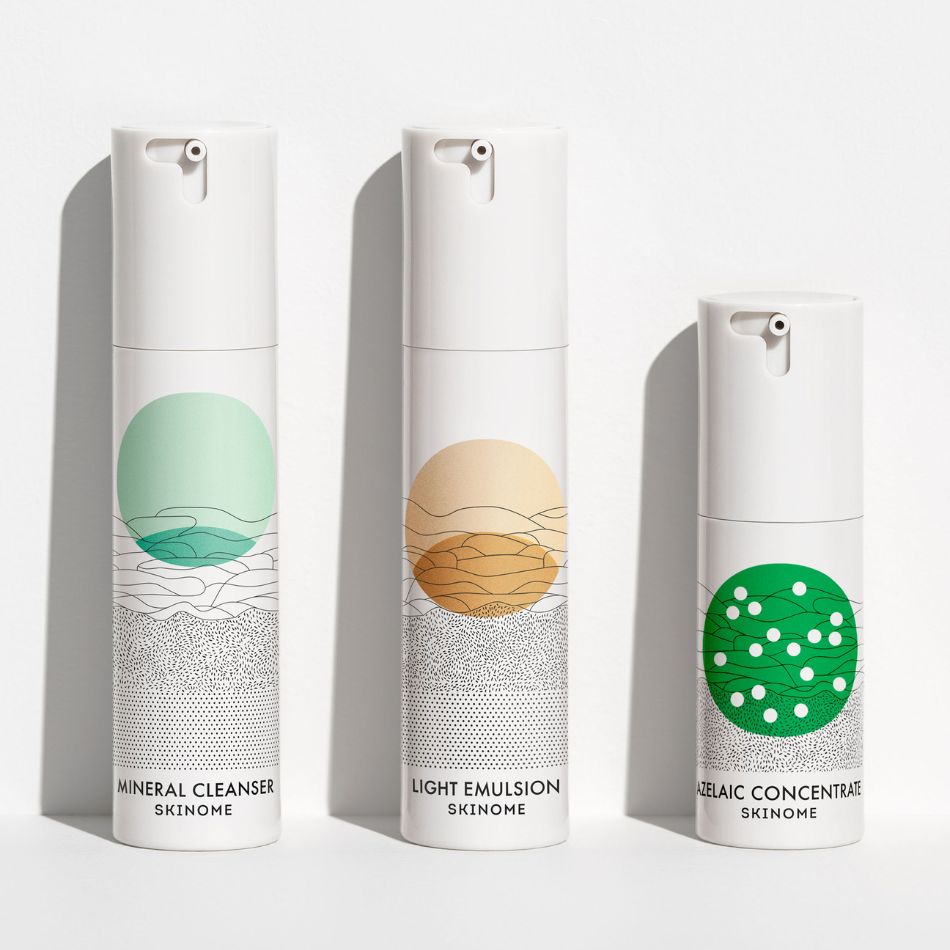
Breakout Control Trio
Suggested skin care routine
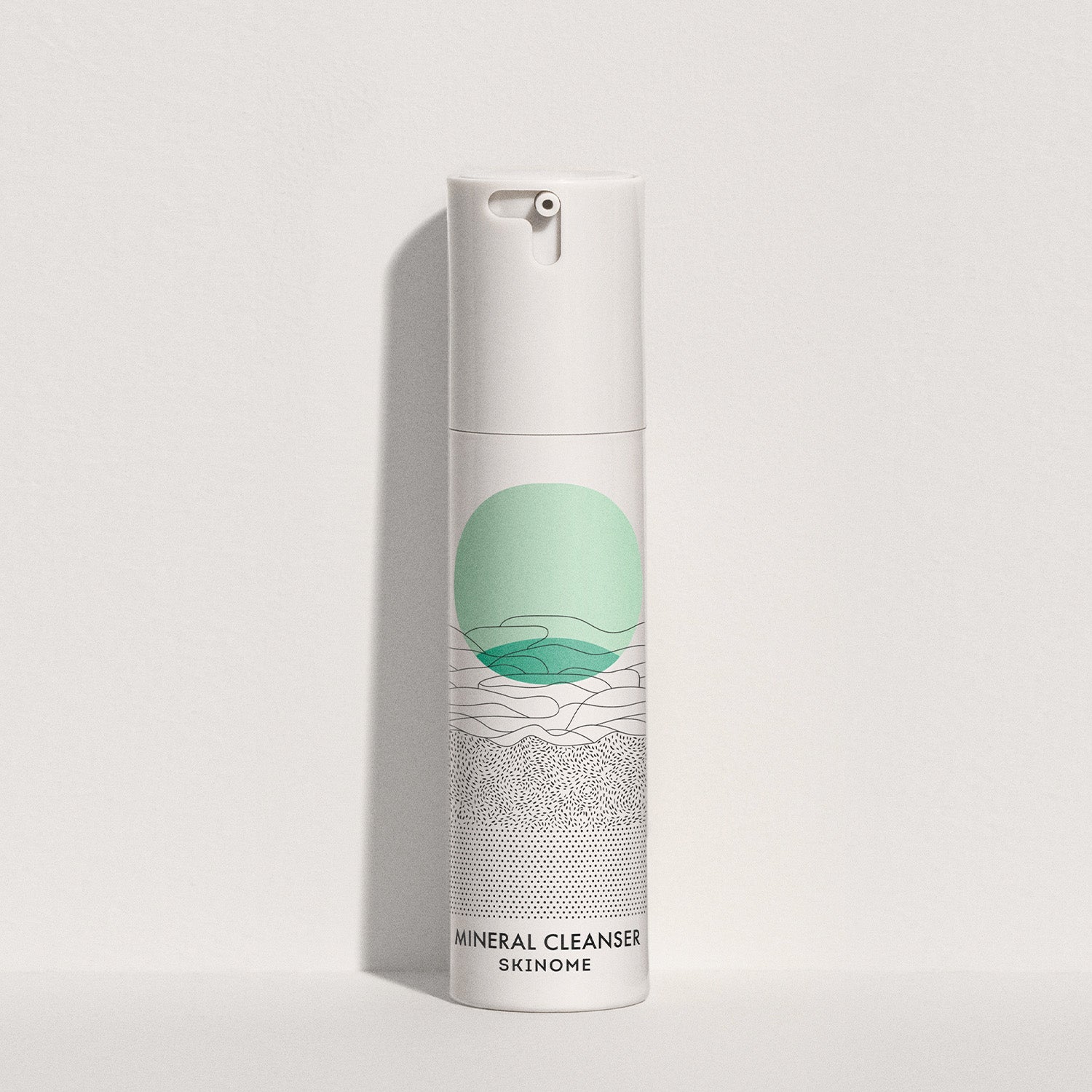
An effective and moisturizing cleanser. The mild formula effectively removes dirt without drying out the skin.
A light face cream that balances the skin's microbiome, strengthens the skin barrier, evens out skin tone and reduces sebum production and the risk of clogged pores.
A concentrate with a high concentration of active ingredients that effectively counteracts overproduction of sebum and reduces the risk of clogged pores while contributing to a smoother skin texture and calmer skin.
References
Dermal Fibroblast—An overview | ScienceDirect Topics. (nd). Retrieved June 28, 2022, from https://www-sciencedirect-com.focus.lib.kth.se/topics/engineering/dermal-fibroblast
Johanna Gillbro. The Scandinavian Skincare Bible. The definitive guide to understanding your skin. Scribe Publications. ISBN: 9781912854943.
Farage, M.A. (2019). The Prevalence of Sensitive Skin. Frontiers in Medicine, 6, 98. https://doi.org/10.3389/fmed.2019.00098




Probiotic Concentrate
799,00 NOK
Balances the microbiome and strengthens the skin barrier.
639,20 NOK

