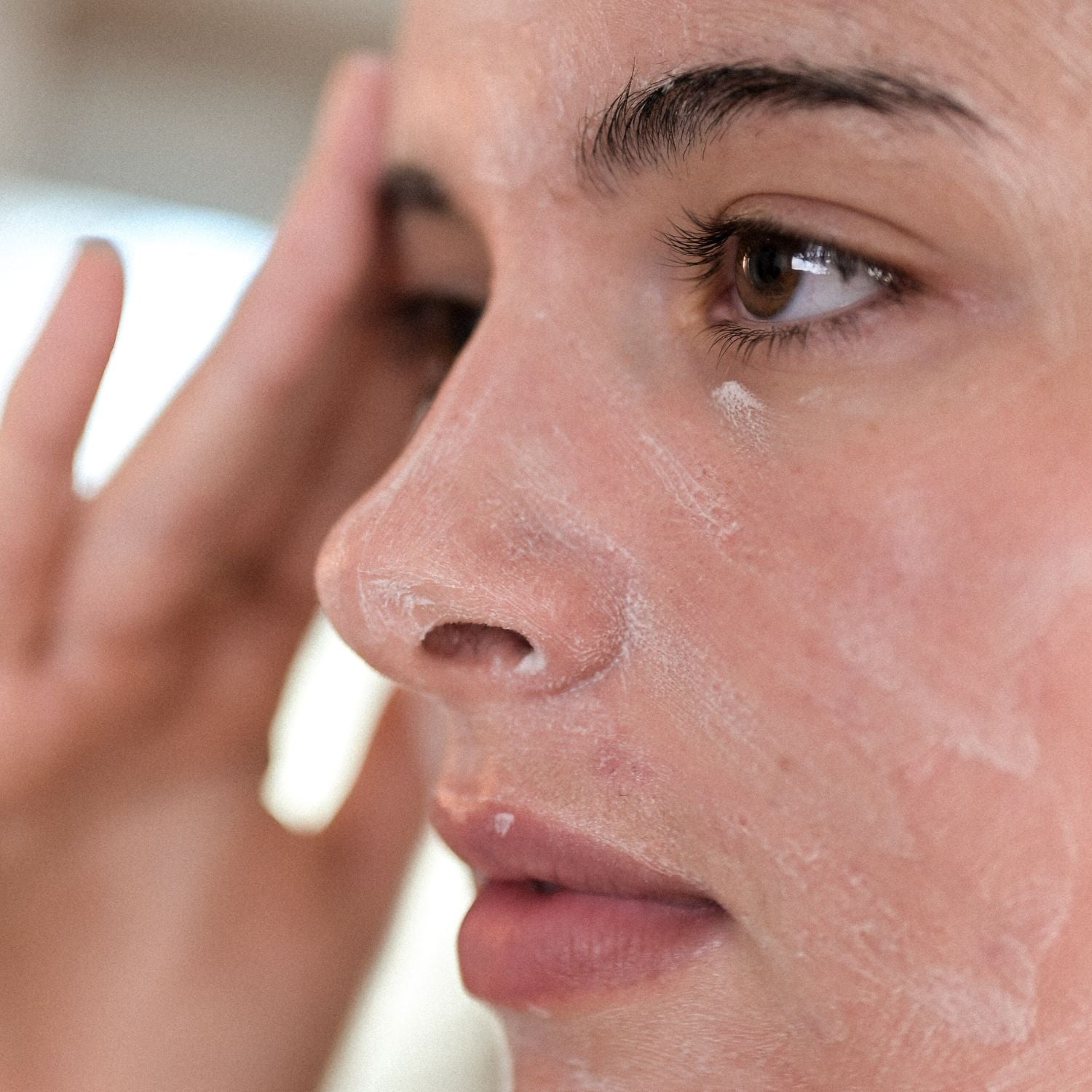
Isotretinoin is one of the most effective treatments for severe acne. It works by affecting several of the mechanisms that drive acne, reducing sebum production , suppressing inflammation and affecting how skin cells are renewed. This is precisely why it can produce amazing results. But the same mechanisms that make an iso treatment so effective can also make the skin more sensitive, dry and reactive - both during and after the treatment.
Isotretinoin works by greatly reducing sebum production, affecting how skin cells mature and are shed, and altering the skin's immune response and microbial balance.
The combination makes the treatment effective against acne but also means that the skin's protective barrier and tolerance are often affected.
Significantly reduced sebum production
Sebum is more than just “oil.” It contains skin-derived lipids that help the skin retain moisture, protect against irritation, and help maintain a balanced skin flora.
The combination makes the treatment effective against acne but also means that the skin's protective barrier and tolerance are often affected.
Altered cell renewal and increased sensitivity
Isotretinoin affects the way the skin's keratinocytes mature and are shed. This reduces the risk of clogged pores but can also make the epidermis, the outermost layer of the skin, more sensitive to sunlight, cold, wind, friction and substances that do not belong on the skin, such as certain preservatives and perfumes.
The skin can also find it more difficult to recover from stress, weather changes or improper skin care.
The skin microbiome is affected
Research shows that isotretinoin can reduce the skin's microbial diversity. Since some skin-friendly bacteria rely on sebum as a source of energy, their survival is affected during treatment.
When the microbiome becomes less diverse, the skin can feel more easily irritated, less tolerant and slower to recover. This is a common explanation for why the skin can feel sensitive long after treatment has ended.
During treatment, dryness and tightness are very common. Redness and reactivity are common and the skin barrier is almost always weakened.
After treatment, dryness may persist for several months. The barrier recovers slowly and the skin microflora needs time to stabilize. Acne is often improved but relapses may occur.
Skin care cannot replace drug treatment and cannot guarantee that acne will not return. However, proper skin care can give the skin a better chance of recovering.
Skin lipids such as ceramides, phospholipids and squalane can strengthen the barrier and reduce moisture loss. Humectants such as glycerin, ectoine and urea help the skin retain water and resist external stress. Minerals such as calcium, zinc and manganese are important for the skin's cell communication and repair processes.
Probiotic ingredients can help support the skin's microbiome, barrier function and tolerance. This is especially relevant when the skin flora has been affected for an extended period.
Skin care cannot replace isotretinoin as a medication and it cannot completely prevent acne recurrence.
However, skincare can help improve comfort and moisture balance, reduce dryness and reactivity, support the skin's barrier and microbiome, and facilitate the skin's long-term recovery.
During the first few months after treatment, the skin is often extra sensitive. Many people feel better by avoiding acids and exfoliating products, retinol and retinal, daily exfoliation, and products with alcohol, perfume, or other irritants.
Using too many active products at once can also put unnecessary strain on the skin. A more minimalist routine with a focus on tolerance and regeneration is often more helpful.
We often meet people who have tried many products without their skin feeling stable again after isotretinoin. Many describe that their skin only calmed down when the focus shifted from treating to rebuilding.
Skinome's formulations are developed to respect the skin's biology and support both the barrier and microbiome. Two products that our customers find to be soothing, hydrating and stabilizing for the skin are Intense Emulsion and Probiotic Concentrate . The products are cosmetic and do not replace medical treatment but can be a good support during the skin's recovery phase.
Face cream with ceramides and lysolecithin that builds up the skin barrier and reduces moisture loss.
Face cream with minerals, skin lipids and ectoine that soothes, moisturizes and protects the skin.
Contains over 100 billion live lactic acid bacteria that increase the diversity of skin flora, strengthen the barrier and make skin texture smoother.
Gentle cleaning without surfactants, perfume or drying agents.
*Remember: Skin care cannot replace medical treatment, but it can support the skin's own processes. For more extensive problems, we recommend that you contact a dermatologist.
The skin's recovery continues long after treatment has ended. The focus should be on building up rather than exfoliating. Skin care cannot replace medication but can contribute to better conditions for the skin to find balance again.
Microbiome-strengthening routine for very dry and sensitive skin.
1.467,95 NOK